
Environmental compliance and archaeological heritage: key aspects of property development projects
A country rich in natural resources and archaeological heritage
Costa Rica is recognised worldwide for its biodiversity, but the country also harbours another, less visible treasure: an archaeological heritage of great historical value. According to the National Museum of Costa Rica, the country was first inhabited by human groups approximately 12,000 years ago, giving rise to extensive cultural development that continued until the 16th century. This means that virtually any construction, agricultural, industrial, tourism or infrastructure project is likely to encounter archaeological artefacts, ranging from pottery shards and stone tools to ancient burials and structures.
Environmental assessment and rapid archaeological surveys
The Regulations on Environmental Assessment, Control and Monitoring (Executive Decree No. 43898-MINAE-S-MOPT-MAG-MEIC), in force since August 2023, set out the requirements for determining the environmental viability of works and activities that may alter the environment. Among the tools provided for is the rapid archaeological survey, designed to determine the presence or absence of archaeological evidence on site and to support the relevant professional certification.
“The obligation to assess the archaeological aspect is not a new feature of the regulations, but it is an area where many projects continue to run into difficulties. Archaeological management must be incorporated from the project design stage, as part of environmental and legal due diligence, and not as a formality to be dealt with at the last minute,” said Marco Quesada, Director of Environmental Law at ECIJA Costa Rica.
In practical terms, these studies are relevant to any activities, works or projects involving removal, excavation, levelling, backfilling, terracing or any other form of ground intervention. They must be carried out by a qualified archaeologist who meets the applicable technical and legal requirements, and their findings must be incorporated into the project’s environmental dossier in a timely manner.
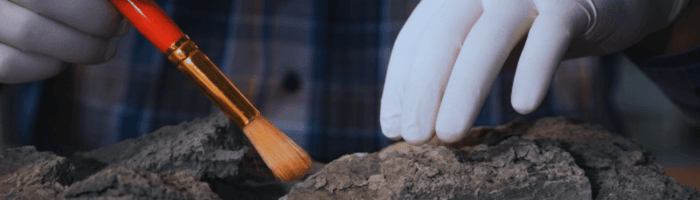
What should be done in the event of an archaeological find?
The regulations also set out a clear protocol for what happens following the initial survey. If no archaeological evidence is identified, the professional in charge must issue the relevant certificate, although this does not eliminate the risk of discoveries during subsequent stages of earthworks. If, on the other hand, materials or indications of archaeological value are identified, the find must be reported to the National Museum of Costa Rica so that, together with the developer, the appropriate measures for protection, documentation, recovery or management can be coordinated. And if a potential archaeological find comes to light during the execution of the works, the instructions are unequivocal: immediately suspend earthworks in the area, do not handle or remove the materials, and call in an archaeologist to document the situation and activate the relevant protocols with the National Museum.
“An archaeological site is not always identified through a superficial inspection or a quick field survey; in some cases, the materials are found at a certain depth or only come to light during excavation work. Promptly informing the responsible professional and the relevant authorities helps to protect the archaeological heritage, reduce regulatory risks and avoid project delays, penalties or reputational damage for the developer,” added Quesada.
The importance of legal compliance and due diligence
The identification of an archaeological site cannot always be achieved through a superficial inspection or a quick field survey. In some cases, artefacts are found at a certain depth or only come to light during excavation work. For this reason, archaeological management must be treated as part of the project’s environmental and legal due diligence. Promptly informing the responsible professional and the competent authorities helps to protect the archaeological heritage, reduce regulatory risks and avoid project delays, penalties or reputational damage for the developer.
In conclusion, archaeological surveys in projects subject to environmental assessment fulfil an essential preventive function: they enable risks to be anticipated, management measures to be defined and ensure that construction works are carried out in harmony with the protection of the national archaeological heritage. In Costa Rica, timely compliance with these obligations is not only a regulatory requirement but also a collective responsibility towards the conservation of the country’s historical memory.
About ECIJA Costa Rica
ECIJA is an international law firm with a presence in Costa Rica, specialising in comprehensive legal advice for businesses, including environmental law, regulatory compliance and risk management in development projects.
